
California Contractor License: LLC vs Corporation vs Sole Proprietor
How the business type you choose affects your contractor license, qualifier, fees, bonds and insurance.
Quick answer
A sole owner license is the simplest and cheapest. A corporation is licensed through a Responsible Managing Officer or Employee and must stay active with the Secretary of State. An LLC can also be licensed but needs a $100,000 LLC Employee/Worker Bond and liability insurance. Because the license belongs to the entity, changing types later requires a new license.
Side by Side Comparison
| Sole owner | Corporation | LLC | |
|---|---|---|---|
| Qualifier | The owner or an RME | An RMO (officer) or an RME | An RMO (officer, manager or member) or an RME |
| Initial license fee | $200 | $350 | $350 |
| Active renewal fee | $450 | $700 | $700 |
| Contractor bond | $25,000 | $25,000 | $25,000 |
| Extra requirements | None | Active status with the Secretary of State | $100,000 Employee/Worker Bond and liability insurance |
Sole Owner
The license is issued to you as an individual. It cannot be sold or transferred. If you later form a corporation, CSLB can reassign your sole owner license number to it when you own at least 51 percent, but the number can never return to a sole owner license.
Corporation
The license is tied to the corporation’s registration number with the Secretary of State. If that number changes, or the corporation dissolves, merges or is suspended, the license is affected. The corporate name on CSLB records must match the Secretary of State.
Limited Liability Company
LLCs must file a $100,000 LLC Employee/Worker Bond and carry liability insurance of at least $1,000,000 when five or fewer people are listed on the license, plus $100,000 for each additional person, up to $5,000,000.
How to Choose
Think about liability, taxes, how many owners you have and whether you plan to grow. Talk with an accountant or attorney about the tax and liability side. CSLP can help you register your business: see our California business registration service. Also see RMO vs RME.
Content reviewed against CSLB sources: November 2026
- CSLB: Change in business entity
- CSLB: Change in personnel
- CSLB: Issuing my license
- CSLB: List of all fees
- California Business and Professions Code section 7071.19
Online California Contractor License Courses
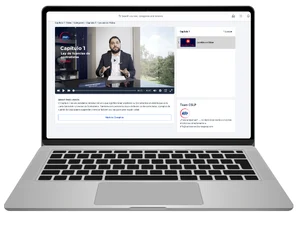
Prepare for your California CSLB Law & Business and Trade exams with flexible online contractor license courses designed for real working contractors. Choose from three study plans with 24/7 online access, bilingual support, weekly live classes, and expert guidance throughout the licensing process.
Fast Track
$595
- 2026 Updated Classes
- Online Law Book
- Online Trade Book
- Weekly Live Online Classes
- Application processing
- 24/7 Online Access
Plus
$1,395
- Everything in “Fast Track”
- Plus:
- Law & Business Flash Cards
- Per Chapter Practice Exams
- Extended Study Time
- Physical Law & Trade Books
Premium
$1,595
- Everything in “Plus”
- Plus:
- Business Launch Checklist
- Digital Business Card ($200 value)
- Double Study Time vs. “Plus”
All Online Course Packages Include:
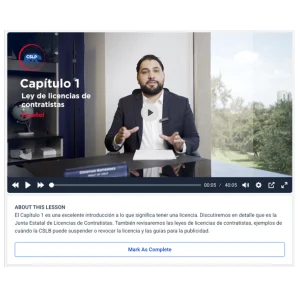 Bilingual Lessons
English & Español
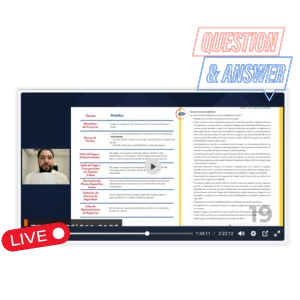 Weekly Live Classes
Online Only
 Law & Trade Books
English & Español
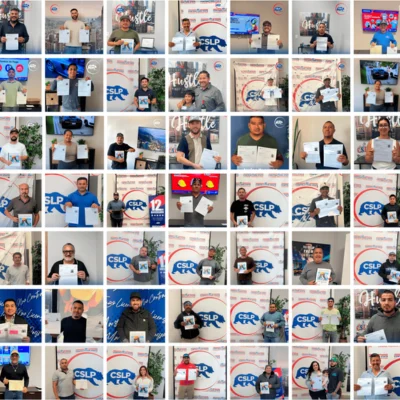 Proven Results
20,000+ Graduates
California Contractor LLC vs Corporation vs Sole Proprietor: FAQs
Can I change my sole owner license to an LLC?
Not on the same license. A change in business entity requires a new license, new bonds and new fees. Only a reassignment to a corporation you form and own at least 51 percent of is allowed for a sole owner number.
Does an LLC protect me from personal liability?
That is a legal question that depends on your situation. CSLB’s rules cover licensing; ask an attorney or accountant about liability and taxes.
Do partnerships get licensed too?
Yes. CSLB licenses general and limited partnerships. Adding or removing a general partner requires a new license.