C-46 Solar vs C-10 Electrical License
Which license a solar installer needs, and how the C-46 Solar license compares with the broader C-10 Electrical license.
Quick answer
The C-46 covers installing, modifying and repairing solar thermal and photovoltaic systems, and only the other trade work needed for that installation. The C-10 covers all electrical work, including solar photovoltaic systems. If you only install solar, the C-46 can fit; if you want to do other electrical work, choose the C-10.
C-46 Solar vs C-10 Electrical at a Glance
| C-46 Solar | C-10 Electrical | |
|---|---|---|
| License type | Specialty (C) | Specialty (C) |
| In short | The C-46 Solar license covers installing, modifying, maintaining and repairing thermal and photovoltaic solar energy systems. | The C-10 Electrical license is one of California’s most in-demand specialty licenses. It covers any wiring, fixtures, equipment and systems that generate, transmit, transform or use electrical energy. |
| Typical jobs | Residential and commercial solar PV; Solar thermal (hot water) systems; Solar system maintenance and repair; System modifications and expansions | Residential and commercial wiring; Service upgrades and panel replacements; Lighting, fixtures and appliances; Raceways and conduit |
| Not included | Other trade work not required for the solar installation; Battery or electrical work outside the solar system scope (C-10) | Plumbing, HVAC or other trades (unless you hold those classifications); Multi-trade building projects as the prime contractor (Class B) |
| Exams | Law and Business plus the C-46 trade exam | Law and Business plus the C-10 trade exam |
| Exam in Spanish | Law and Business yes; trade exam with an approved translator | Law and Business yes; trade exam with an approved translator |
| Workers’ compensation | Exemption allowed if you have no employees | Exemption allowed if you have no employees |
What the C-46 Solar Covers
CSLB definition: A solar contractor installs, modifies, maintains and repairs thermal and photovoltaic solar energy systems. A licensee classified in this section shall not undertake or perform building or construction trades, crafts or skills, except when required to install a thermal or photovoltaic solar energy system.
- Residential and commercial solar PV
- Solar thermal (hot water) systems
- Solar system maintenance and repair
- System modifications and expansions
The C-46 is limited to solar systems. If you want to do electrical work beyond solar, compare it with the C-10 Electrical classification. See the full C-46 Solar license guide.
What the C-10 Electrical Covers
CSLB definition: An electrical contractor places, installs, erects or connects any electrical wires, fixtures, appliances, apparatus, raceways, conduits, solar photovoltaic cells or any part thereof, which generate, transmit, transform or utilize electrical energy in any form or for any purpose.
- Residential and commercial wiring
- Service upgrades and panel replacements
- Lighting, fixtures and appliances
- Raceways and conduit
- EV chargers
- Solar photovoltaic systems
C-10 license renewals cost slightly more than other classifications: CSLB charges C-10 contractors $470 (sole owner) and $720 (non-sole owner) for an active timely renewal. See the full C-10 Electrical license guide.
Key Differences
- Scope: the C-46 is limited to solar energy systems. The C-10 covers any electrical work.
- Solar thermal: solar water and pool heating systems are part of the C-46.
- Other electrical work: panel upgrades or circuits not required for a solar system are C-10 work.
- Batteries: work outside the solar system’s scope belongs to the C-10. Check CSLB’s current rules for battery storage before you bid it.
Which License Should You Get?
- Choose the C-46 Solar if your business is solar PV and solar thermal installation.
- Choose the C-10 Electrical if you want the full electrical scope, with solar as one part of it.
- Hold both rarely needed, since the C-10 already covers PV. Some firms hold the C-46 for solar thermal work.
Prepare for Your Exam
CSLP has prepared California contractors for their CSLB exams since 2013. Our courses include help with your CSLB application, online law and trade books with practice questions and weekly live classes in English and Spanish, from $595. Compare course options.
Content reviewed against CSLB sources: November 2026
CSLP is an independent contractor license school and is not affiliated with or endorsed by the Contractors State License Board. Rules and fees can change, so always confirm current requirements with CSLB.Online California Contractor License Courses
Prepare for your California CSLB Law & Business and Trade exams with flexible online contractor license courses designed for real working contractors. Choose from three study plans with 24/7 online access, bilingual support, weekly live classes, and expert guidance throughout the licensing process.
Fast Track
$595
- 2026 Updated Classes
- Online Law Book
- Online Trade Book
- Weekly Live Online Classes
- Application processing
- 24/7 Online Access
Plus
$1,395
- Everything in “Fast Track”
- Plus:
- Law & Business Flash Cards
- Per Chapter Practice Exams
- Extended Study Time
- Physical Law & Trade Books
Premium
$1,595
- Everything in “Plus”
- Plus:
- Business Launch Checklist
- Digital Business Card ($200 value)
- Double Study Time vs. “Plus”
All Online Course Packages Include:
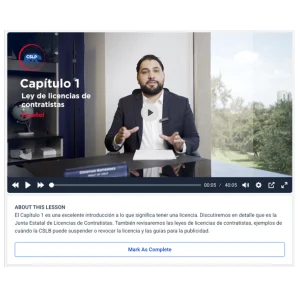 Bilingual Lessons
English & Español
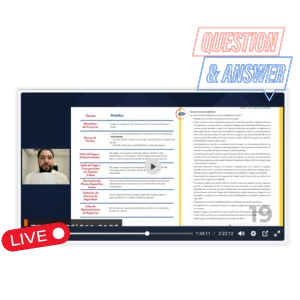 Weekly Live Classes
Online Only
 Law & Trade Books
English & Español
 Proven Results
20,000+ Graduates
C-46 Solar vs C-10 Electrical: FAQs
Can a C-10 install solar panels?
Yes. The C-10 definition includes solar photovoltaic cells.
Can a C-46 contractor upgrade a main panel?
Only when it is required to install the solar system. Other electrical work requires a C-10.
Do C-46 workers need electrician certification?
The state electrician certification rule is tied to C-10 work. Check current DIR requirements for your crew.