
C-20 HVAC vs C-38 Refrigeration License
The difference between California’s C-20 Warm Air Heating, Ventilating and Air Conditioning license and the C-38 Refrigeration license.
Quick answer
The C-20 covers warm air heating, ventilation and air conditioning systems for comfort, including ducts, controls and heat pumps. The C-38 covers refrigeration for temperatures below 50°F, such as walk in coolers, freezers and refrigerated rooms. Many contractors who serve restaurants and grocery stores hold both.
C-20 HVAC vs C-38 Refrigeration at a Glance
| C-20 HVAC | C-38 Refrigeration | |
|---|---|---|
| License type | Specialty (C) | Specialty (C) |
| In short | The C-20 HVAC license covers warm-air heating, ventilation and air-conditioning systems, including ductwork, controls and water heating heat pumps. | The C-38 Refrigeration license covers commercial refrigeration: walk-in coolers and freezers, refrigerated rooms and equipment that controls temperatures below 50°F. |
| Typical jobs | Central air conditioners and heat pumps; Furnaces and warm-air heating; Ductwork, registers and flues; Ventilation systems | Walk-in coolers and freezers; Commercial refrigeration equipment; Refrigerated rooms and insulated spaces; Ice machines and display cases |
| Not included | Refrigeration below 50°F (C-38); Boilers and steam systems (C-4); Gas piping to appliances beyond the HVAC scope (C-36) | Comfort heating and air-conditioning (C-20); Boilers and steam fitting (C-4) |
| Exams | Law and Business plus the C-20 trade exam | Law and Business plus the C-38 trade exam |
| Exam in Spanish | Law and Business yes; trade exam with an approved translator | Law and Business yes; trade exam with an approved translator |
| Workers’ compensation | Required, even with no employees | Exemption allowed if you have no employees |
What the C-20 HVAC Covers
CSLB definition: A warm-air heating, ventilating and air-conditioning contractor fabricates, installs, maintains, services and repairs warm-air heating systems and water heating heat pumps, complete with warm-air appliances; ventilating systems complete with blowers and plenum chambers; air-conditioning systems complete with air-conditioning unit; and the ducts, registers, flues, humidity and thermostatic controls and air filters in connection with any of these systems, including systems which utilize solar energy.
- Central air conditioners and heat pumps
- Furnaces and warm-air heating
- Ductwork, registers and flues
- Ventilation systems
- Thermostats and humidity controls
- Water heating heat pumps
CSLB does not allow C-20 contractors to file a workers’ compensation exemption, so you will need workers’ compensation coverage to be issued the license. See the full C-20 HVAC license guide.
What the C-38 Refrigeration Covers
CSLB definition: A refrigeration contractor constructs, fabricates, erects, installs, maintains, services and repairs refrigerators, refrigerated rooms and insulated refrigerated spaces, temperature insulation, air-conditioning units, ducts, blowers, registers, humidity and thermostatic controls for the control of air, liquid and/or gas temperatures below fifty degrees Fahrenheit (10°C).
- Walk-in coolers and freezers
- Commercial refrigeration equipment
- Refrigerated rooms and insulated spaces
- Ice machines and display cases
- Controls for sub-50°F systems
Many HVAC contractors hold both the C-20 and C-38 so they can serve restaurants and grocery stores. See the full C-38 Refrigeration license guide.
Key Differences
- Temperature: the C-38 is defined by controlling temperatures below 50°F. The C-20 covers comfort heating and cooling.
- Typical customers: C-20 work is homes and offices; C-38 work is restaurants, grocery stores and cold storage.
- Workers’ compensation: C-20 contractors must carry it even with no employees. The C-38 can file an exemption if it has none.
- Boilers: neither covers boilers and steam systems, which are C-4 work.
Which License Should You Get?
- Choose the C-20 HVAC if you install and service furnaces, air conditioners, heat pumps and duct systems.
- Choose the C-38 Refrigeration if you build and service walk in coolers, freezers and commercial refrigeration.
- Hold both if you serve commercial kitchens and grocery stores that need both comfort cooling and refrigeration.
Prepare for Your Exam
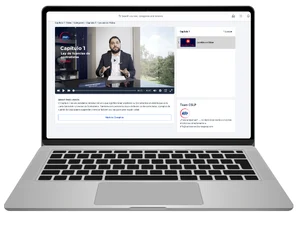
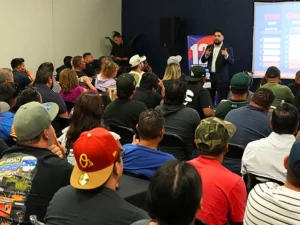
CSLP has prepared California contractors for their CSLB exams since 2013. Our courses include help with your CSLB application, online law and trade books with practice questions and weekly live classes in English and Spanish, from $595. Compare course options.
Content reviewed against CSLB sources: November 2026
- CSLB: C-20 classification
- CSLB: C-38 classification
- CSLB: License classifications
- CSLB: Workers’ compensation requirements
Online California Contractor License Courses
Prepare for your California CSLB Law & Business and Trade exams with flexible online contractor license courses designed for real working contractors. Choose from three study plans with 24/7 online access, bilingual support, weekly live classes, and expert guidance throughout the licensing process.
Fast Track
$595
- 2026 Updated Classes
- Online Law Book
- Online Trade Book
- Weekly Live Online Classes
- Application processing
- 24/7 Online Access
Plus
$1,395
- Everything in “Fast Track”
- Plus:
- Law & Business Flash Cards
- Per Chapter Practice Exams
- Extended Study Time
- Physical Law & Trade Books
Premium
$1,595
- Everything in “Plus”
- Plus:
- Business Launch Checklist
- Digital Business Card ($200 value)
- Double Study Time vs. “Plus”
All Online Course Packages Include:
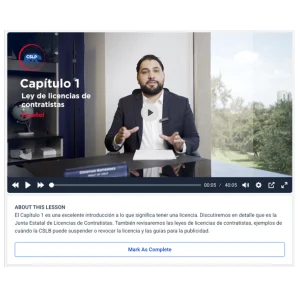 Bilingual Lessons
English & Español
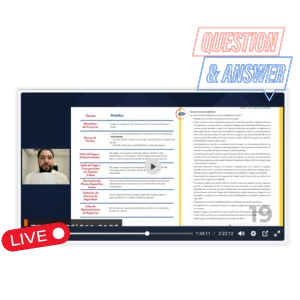 Weekly Live Classes
Online Only
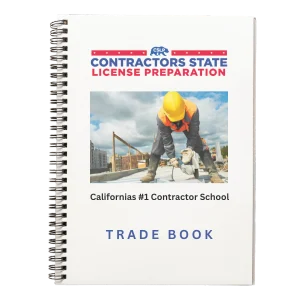 Law & Trade Books
English & Español
 Proven Results
20,000+ Graduates
C-20 HVAC vs C-38 Refrigeration: FAQs
Can a C-20 install a walk in cooler?
Walk in coolers that hold temperatures below 50°F are C-38 refrigeration work.
Can a C-38 install a home air conditioner?
Comfort air conditioning is C-20 work. The C-38 covers air conditioning units only for temperatures below 50°F.
Do I need EPA certification too?
Technicians who handle refrigerants generally need federal EPA Section 608 certification in addition to the CSLB license.