
How to Start a Construction Business in California
The steps from licensed tradesperson to business owner: entity, license, registrations, insurance, contracts and your first jobs.
Quick answer
Choose your business entity, get your CSLB license in that entity’s name, register the business with the Secretary of State (for an LLC or corporation), get an EIN, register with EDD if you will have employees, line up your bond and insurance, get a local business license and use contracts that meet California law.
Step by Step
- Choose your entity. Sole owner, partnership, corporation or LLC. It affects liability, taxes, bonds and the license itself. Compare entities.
- Register the entity. Corporations and LLCs file with the California Secretary of State. A sole owner using a name other than their own files a fictitious business name. Registering a name.
- Get your CSLB license. The license is issued to the entity, with a qualifier. Apply in the entity’s exact name.
- Get an EIN. Apply with the IRS. You need one for employees, corporations and LLCs.
- Register as an employer. If you will have employees, register with the Employment Development Department for payroll taxes.
- Bond and insurance. File the $25,000 contractor bond and workers’ compensation proof or exemption with CSLB. LLCs also need a $100,000 worker bond and liability insurance. Insurance basics.
- Local business license. Most cities and counties require a business license or business tax certificate where you are based.
- Contracts and paperwork. Use contracts that meet California requirements. Contract requirements.
- Marketing that follows the rules. Put your license number on every ad. Advertising rules.
Help Setting Up
CSLP helps contractors with business registration, printed contracts and agreements and marketing. Call us and we will walk you through the order of steps for your situation.
Content reviewed against CSLB sources: November 2026
- CSLB: Change in business entity
- CSLB: Bond information
- CSLB: Workers’ compensation requirements
- California Secretary of State: bizfile Online
- IRS: Apply for an Employer Identification Number
- California EDD: Payroll taxes and employer registration
Online California Contractor License Courses
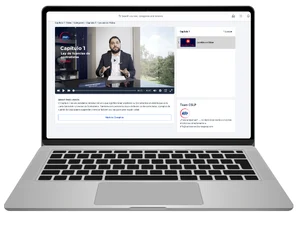
Prepare for your California CSLB Law & Business and Trade exams with flexible online contractor license courses designed for real working contractors. Choose from three study plans with 24/7 online access, bilingual support, weekly live classes, and expert guidance throughout the licensing process.
Fast Track
$595
- 2026 Updated Classes
- Online Law Book
- Online Trade Book
- Weekly Live Online Classes
- Application processing
- 24/7 Online Access
Plus
$1,395
- Everything in “Fast Track”
- Plus:
- Law & Business Flash Cards
- Per Chapter Practice Exams
- Extended Study Time
- Physical Law & Trade Books
Premium
$1,595
- Everything in “Plus”
- Plus:
- Business Launch Checklist
- Digital Business Card ($200 value)
- Double Study Time vs. “Plus”
All Online Course Packages Include:
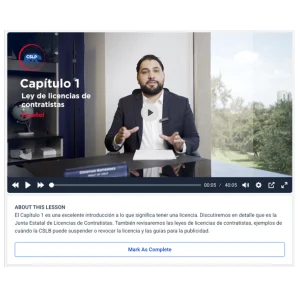 Bilingual Lessons
English & Español
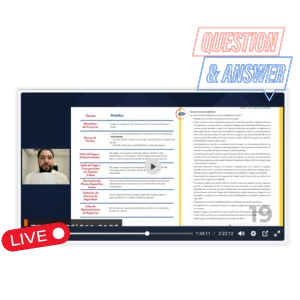 Weekly Live Classes
Online Only
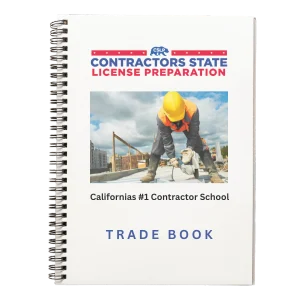 Law & Trade Books
English & Español
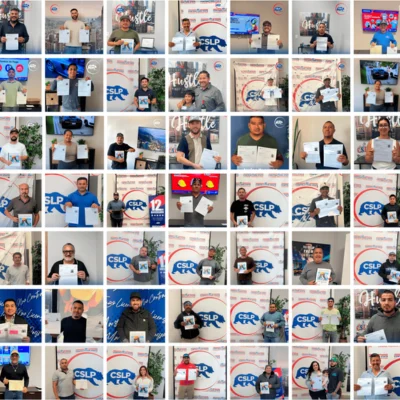 Proven Results
20,000+ Graduates
How to Start a Construction Business in California: FAQs
Do I need a license before I register my business?
You can register the entity first, and you should, because the CSLB license must be issued in the business’s exact legal name.
Can I use my personal license for my new LLC?
No. A license is not transferable to a new entity. The LLC needs its own license, which you can qualify as its RMO.